

Part II: Rangers on the Frontlines – Empowering Local Conservationists
Where vision comes to life
Discover how butterflies are helping scientists track climate change in the Amazon. Through a groundbreaking collaboration with park rangers and researchers, this project uses butterfly monitoring to protect one of Earth’s most biodiverse regions.
The program began back in 2016, where butterfly experts and students started training park rangers from one of the most biodiverse spots on earth: Yasuni National Park. Since 2023, we have been helping expand this program to bring it to new National Parks across the country, starting with Cuyabeno Wildlife Reserve, also in the incredibly biodiverse Ecuadorian Amazon.
By training park rangers in butterfly monitoring, biodiversity research, science communications, and conservation techniques, the incredible diversity of tropical butterflies help equip the people actively conserving large areas of forest in Ecuador’s National Parks.
We have implemented more than 20 workshops about butterfly monitoring: how to collect butterflies, species identification, databasing and basic statistics. Park rangers receive materials required for monitoring, including cameras, feeding stations, butterfly photographic guides for species identification in the field, and uniforms. They also received 4 copies of the book from Yasuni butterflies (author María F. Checa, researcher in the project.)
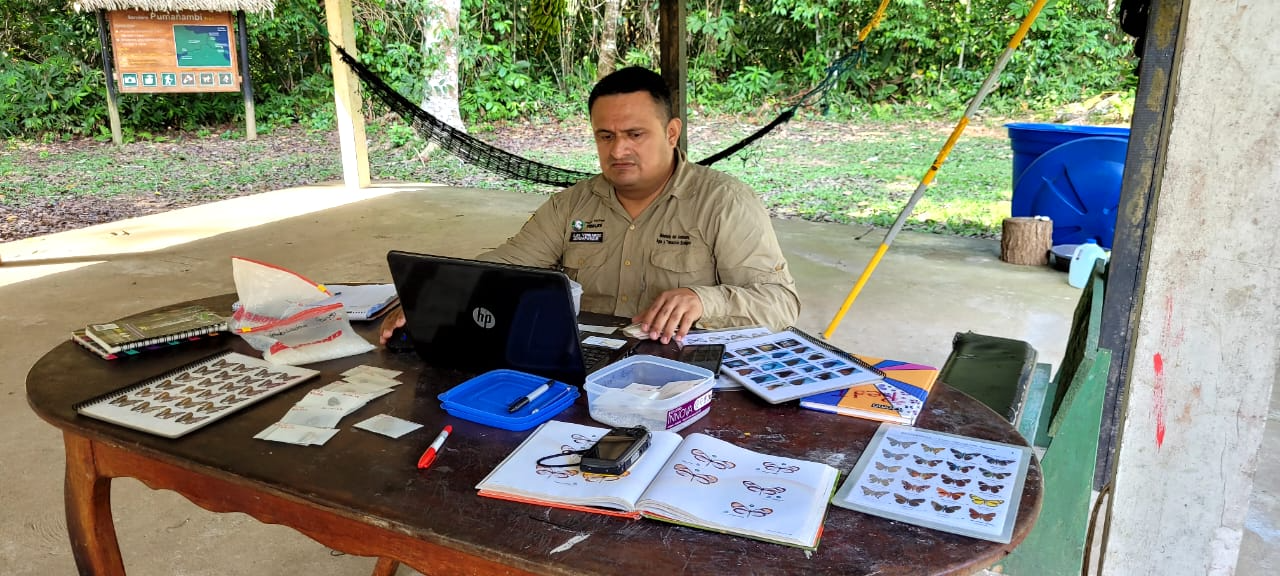
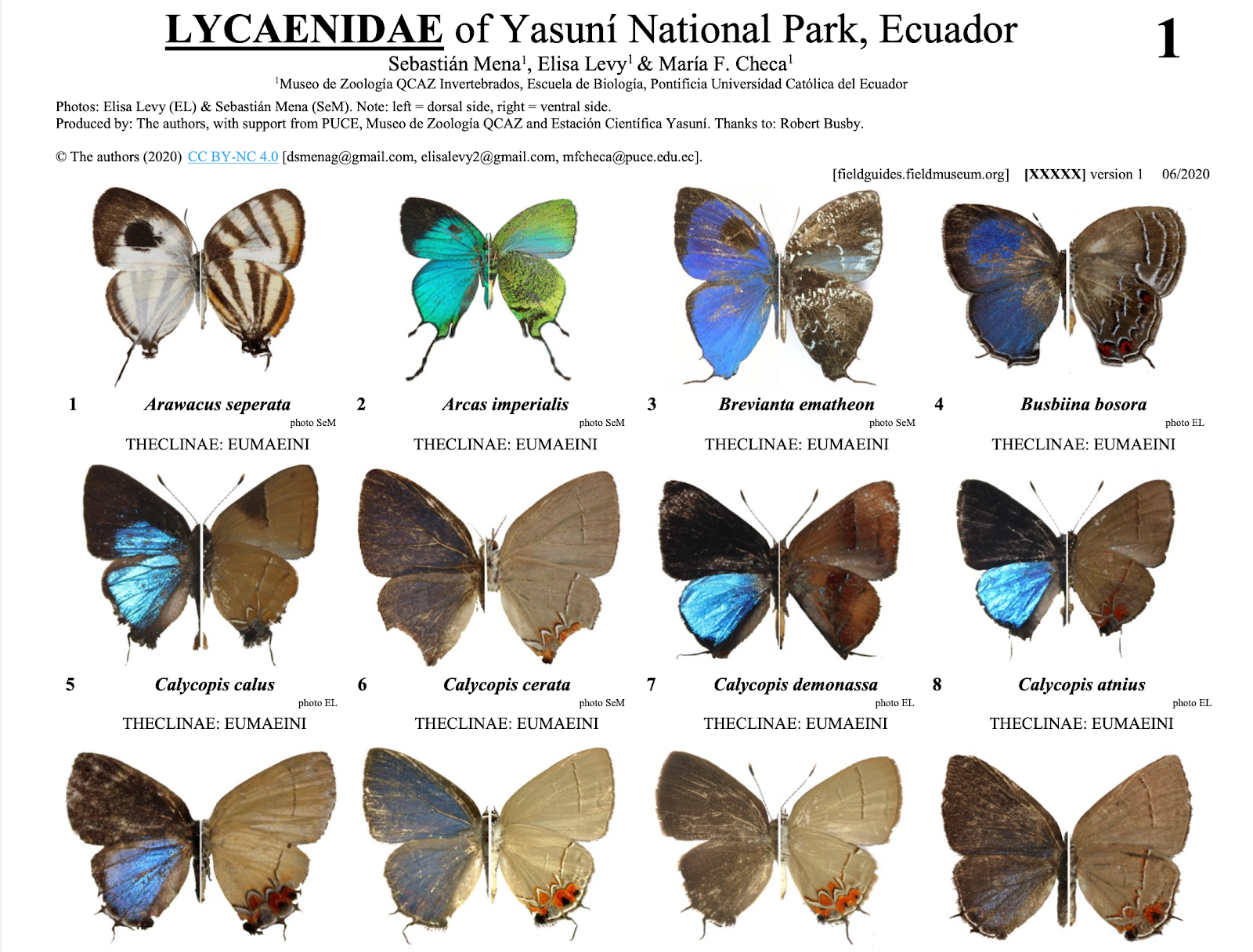
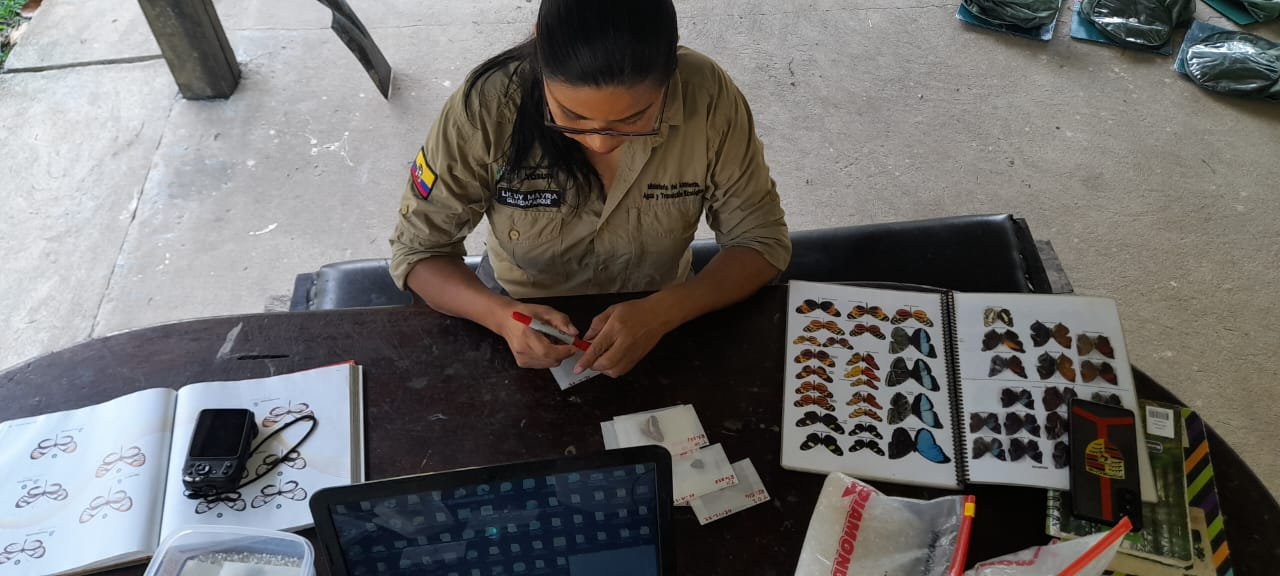
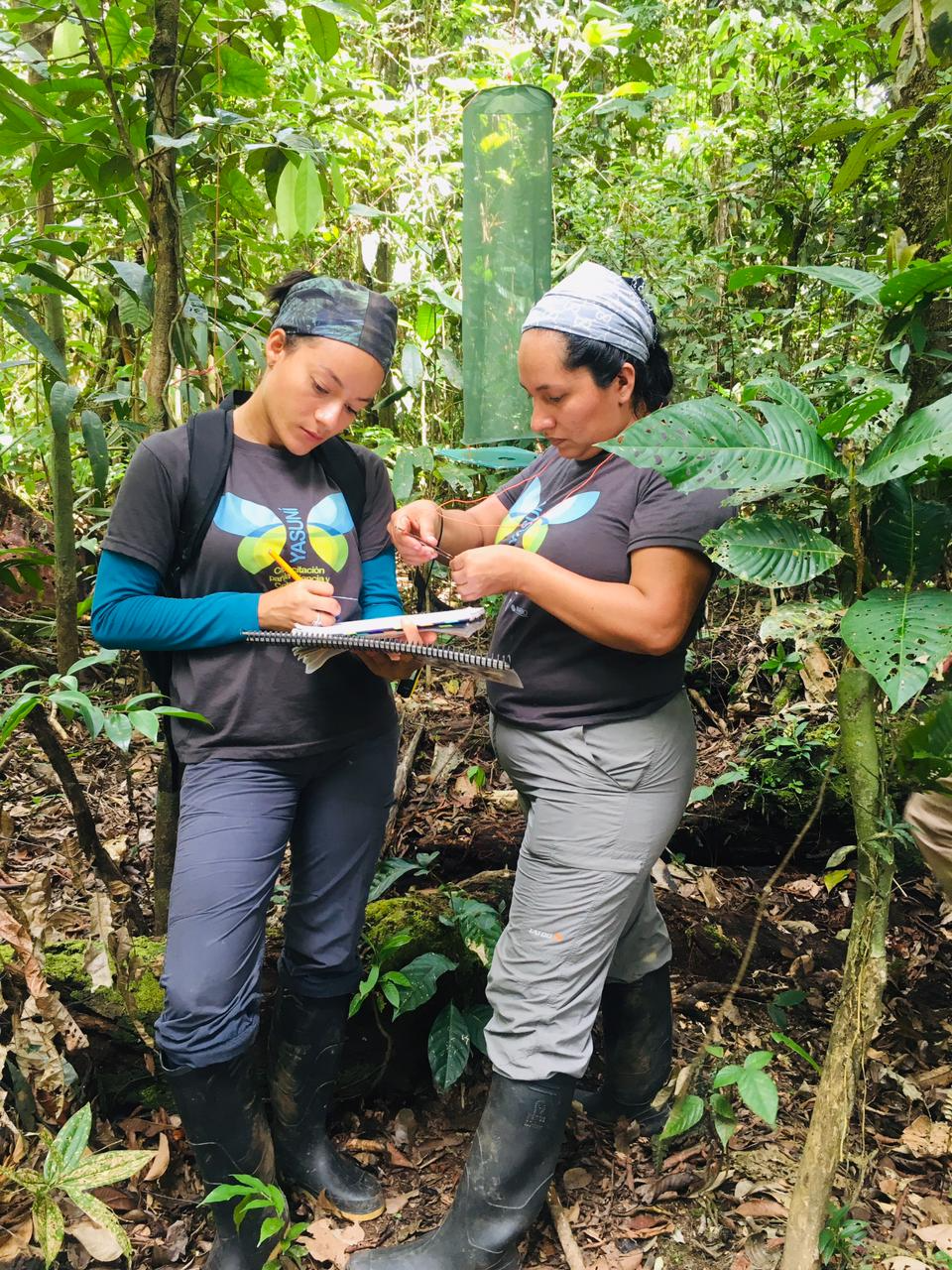
Park rangers have been invited several times to Quito to visit PUCE and the National Institute of Biodiversity research center. For many of them, it was the first time visiting a university and the capital of Ecuador. During the first workshop, they expanded their knowledge about the importance of scientific collections and biodiversity conservation.
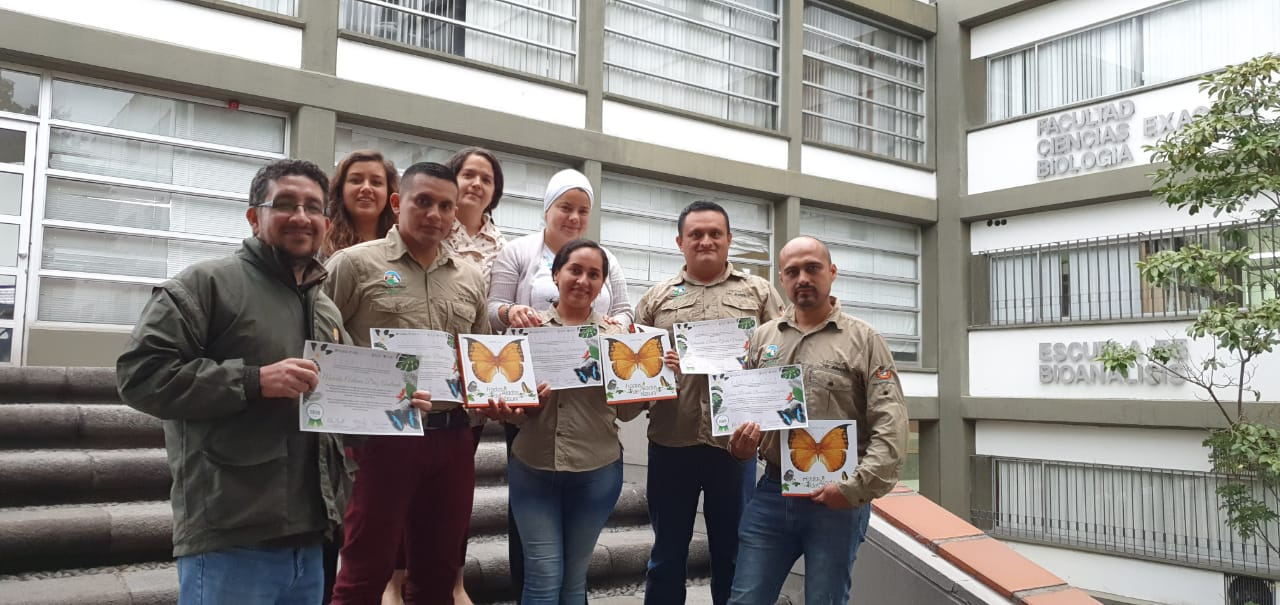
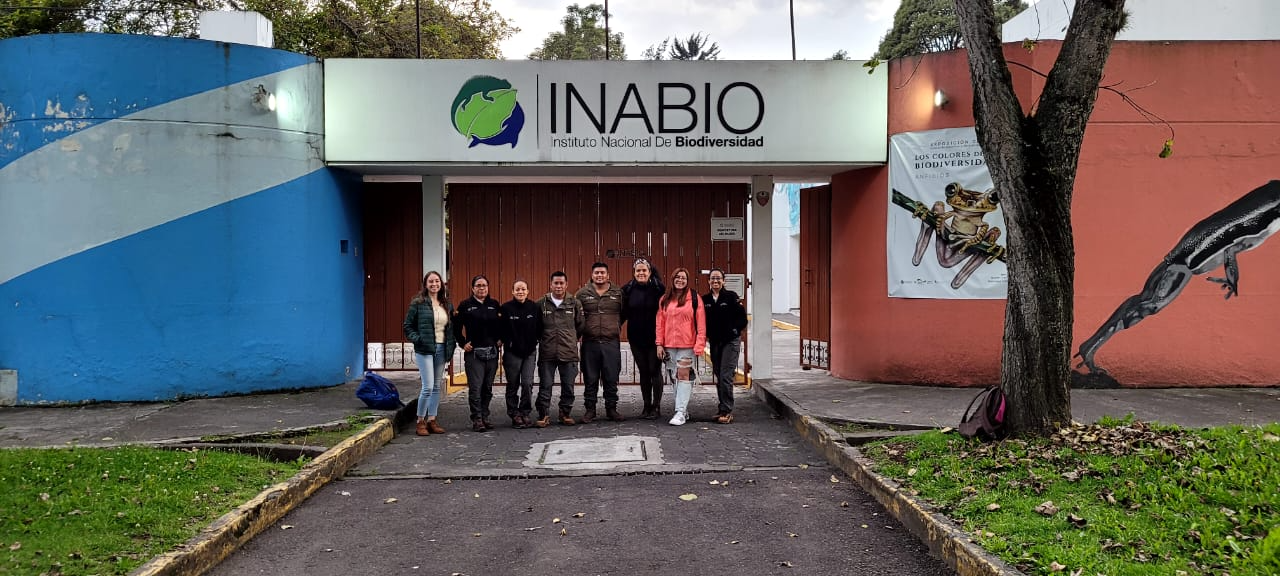
These rangers have monitored butterflies independently for over 7 years at Yasuni, specifically at a site called Maxus. Based on this success, we expanded our project to another site in Yasuni, Tambococha, where monitoring has taken place for 4 years now.
How has this project affected the park rangers’ lives personally?
Rangers have reported that the project has a significant impact on their professional and personal life. They receive a certificate of every workshop attended, and we take into account their opinion to prepare future workshops. Certificates help them to improve their Curriculum vitae.

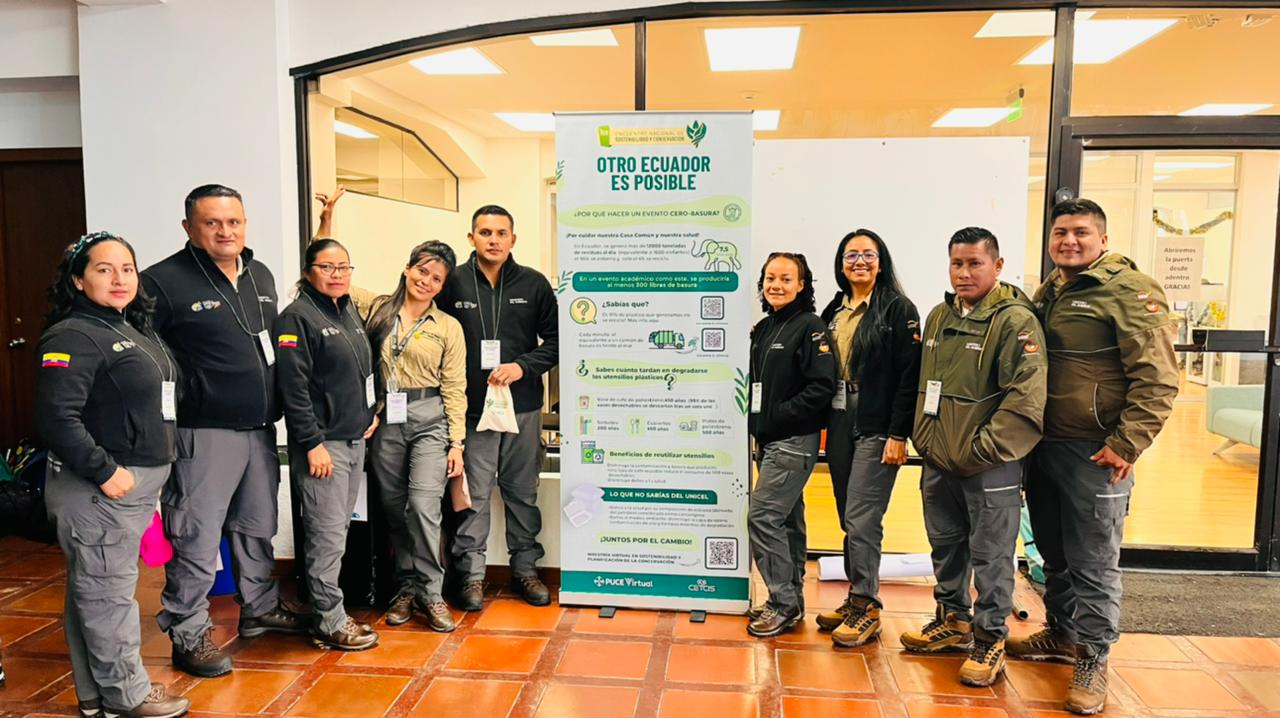
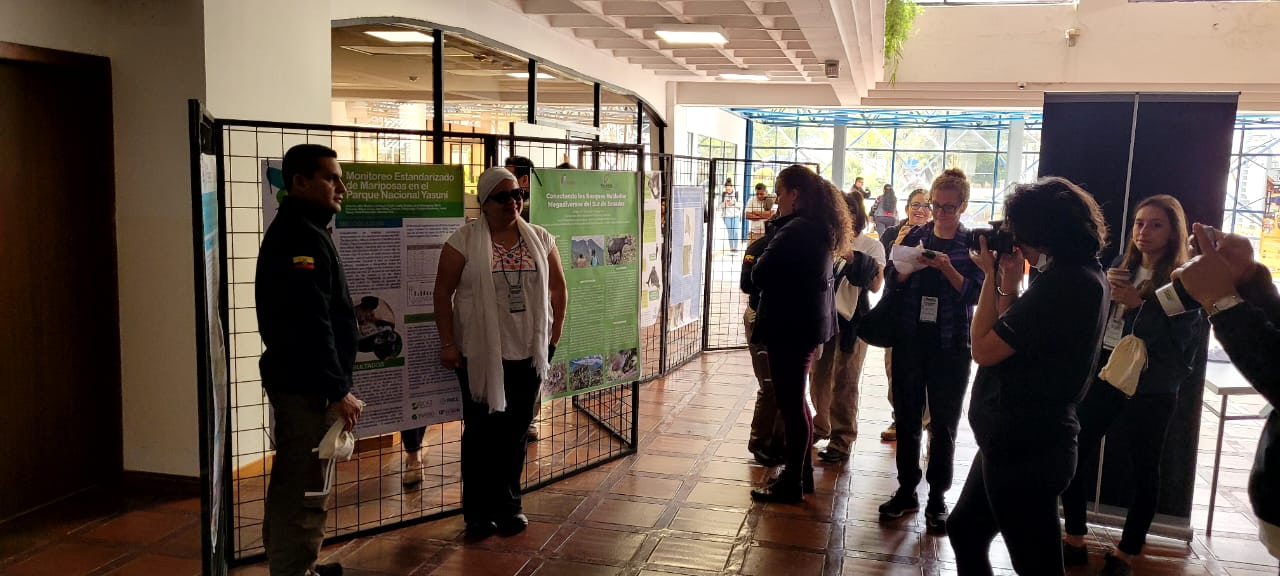
Park rangers have been involved for the first time in academic events during their participation in our project (3 academic events) and have received training to do oral and written presentations of our project. For example, they participated in the 1st National Meeting on Sustainability and Conservation, Another Ecuador is Possible (Otro Ecuador es posible) held at PUCE during 2022. Alcy Bustos, who has been collaborating with us from the beginning of the project, received the second prize for the best poster entitled: Standardized monitoring of butterfly communities in Yasuni National Park.
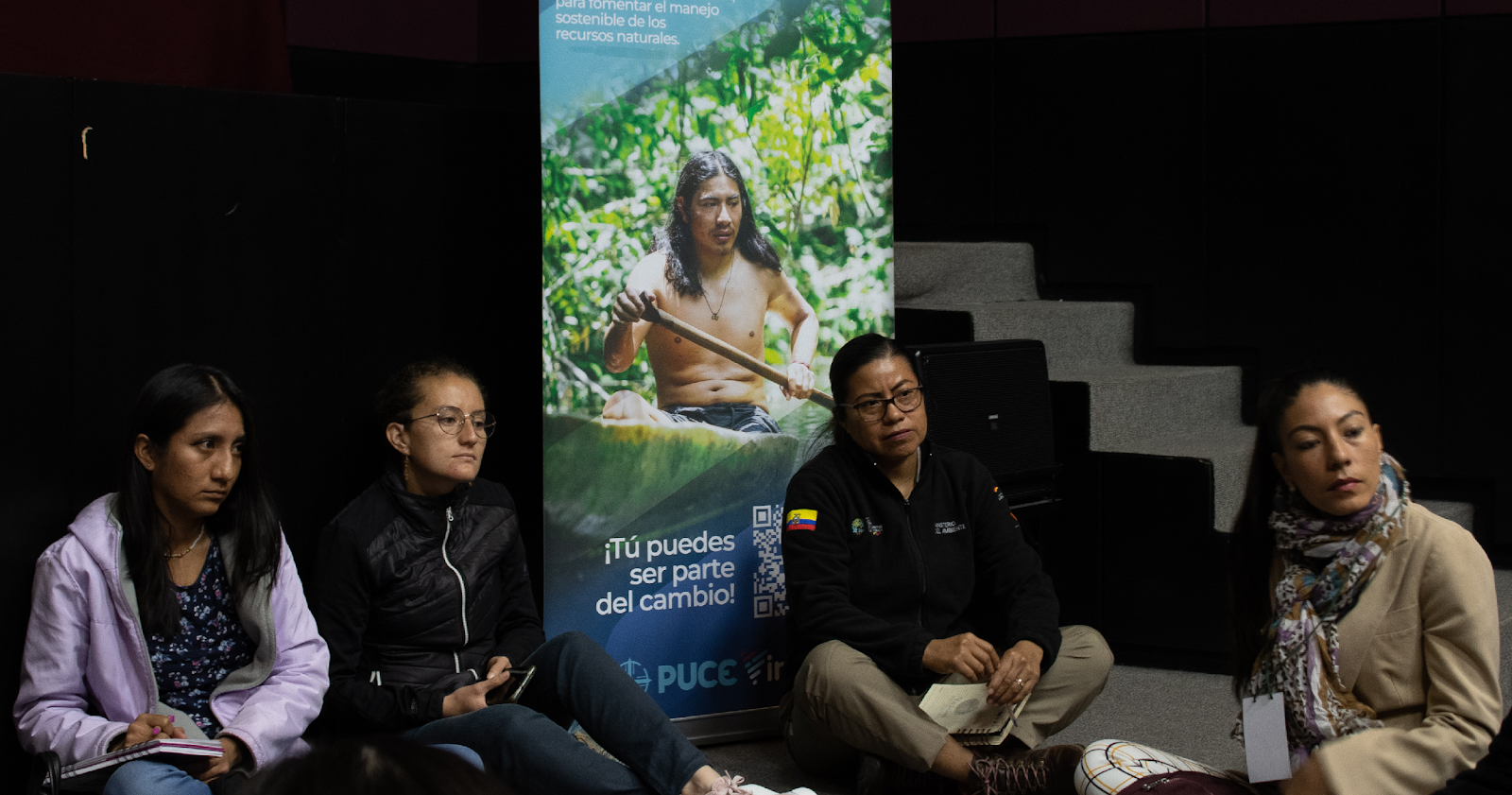
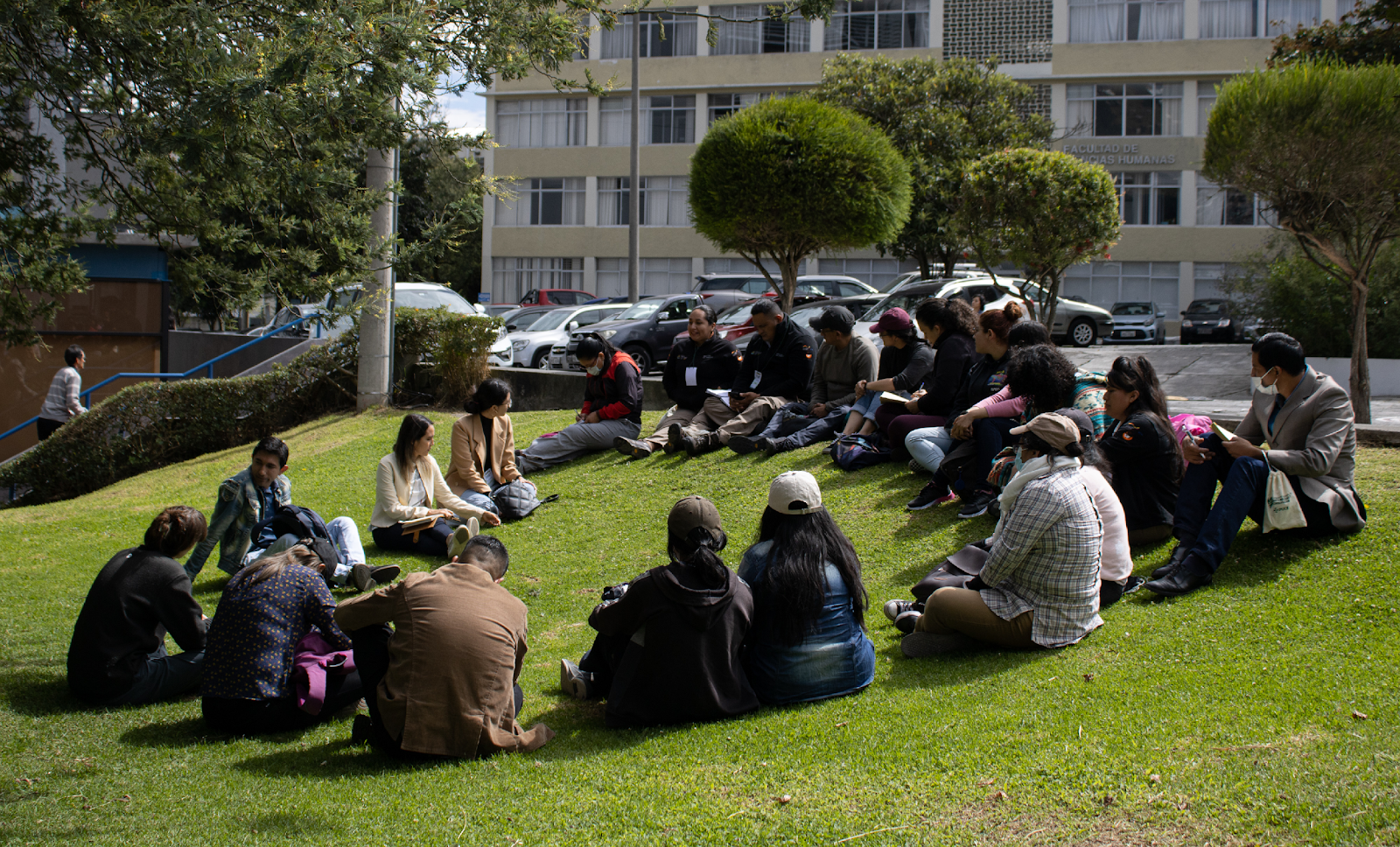
Park rangers expressed their need to be involved in the creation of scientific research beyond the data collection phase. After hearing this feedback, we implemented workshops to train them to prepare a scientific manuscript. The workshops were focused on academic writing and basic statistical analyses of butterfly diversity. After several workshops in Quito, park rangers finished their first scientific manuscript in July 2024, which was submitted to a peer-reviewed journal later this year. The manuscript was entirely written by park rangers with supervision of our researchers and was titled: Diversity of butterflies from Yasuni National park, a study carried out by park rangers who protect them.
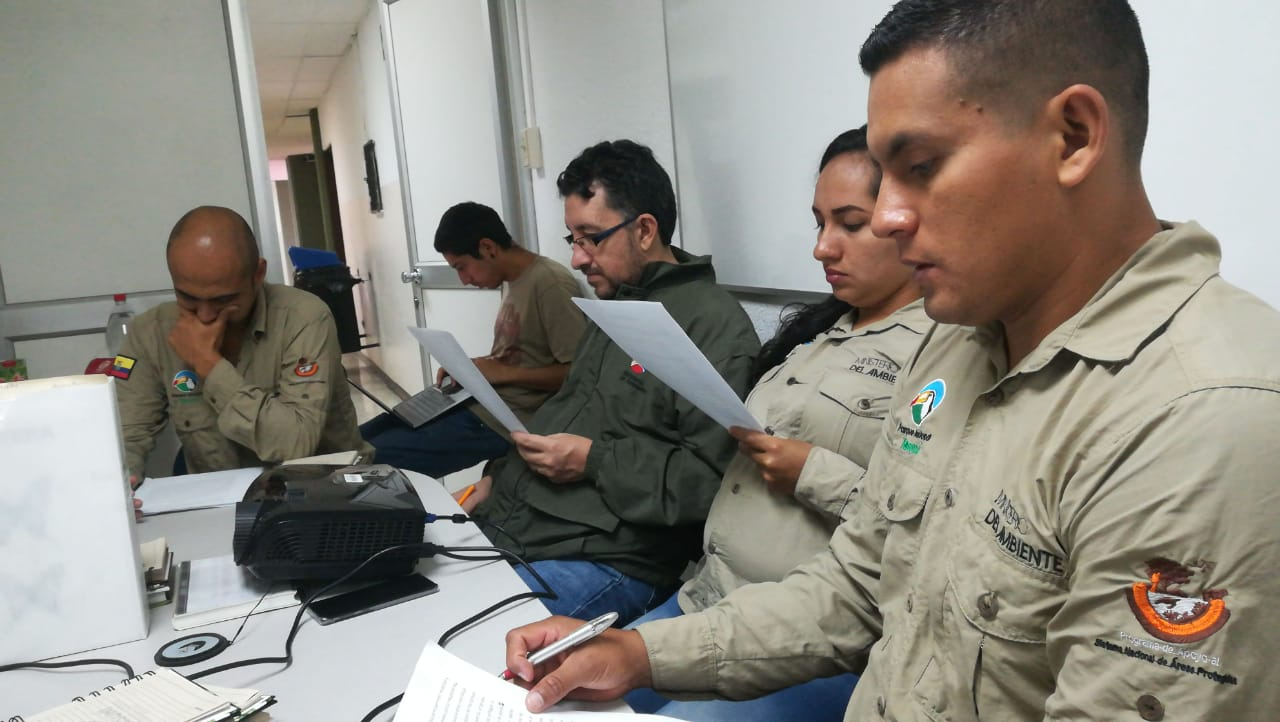
Empower conservation heroes! Your donation helps train and equip more park rangers to protect the Amazon’s biodiversity.
