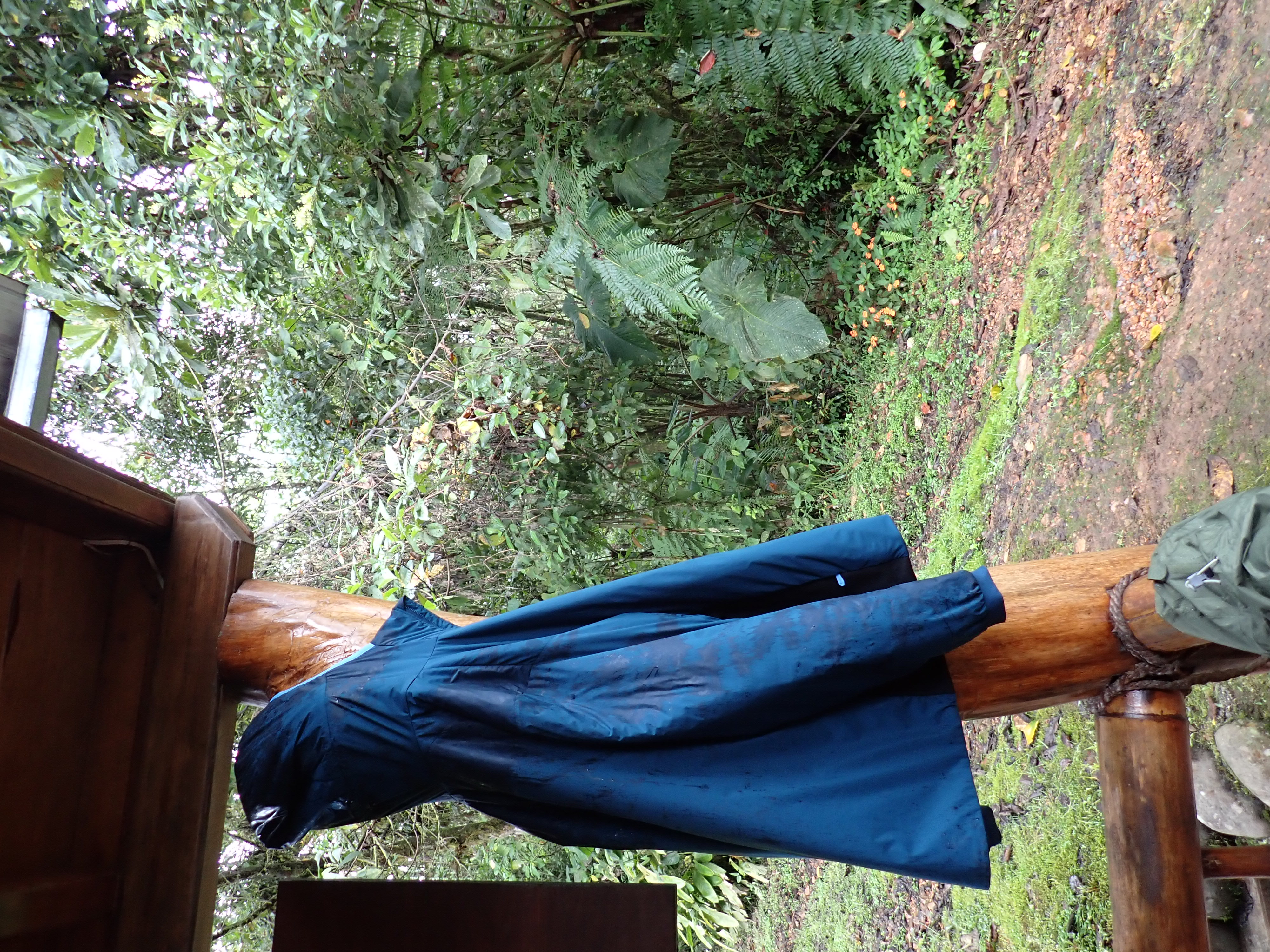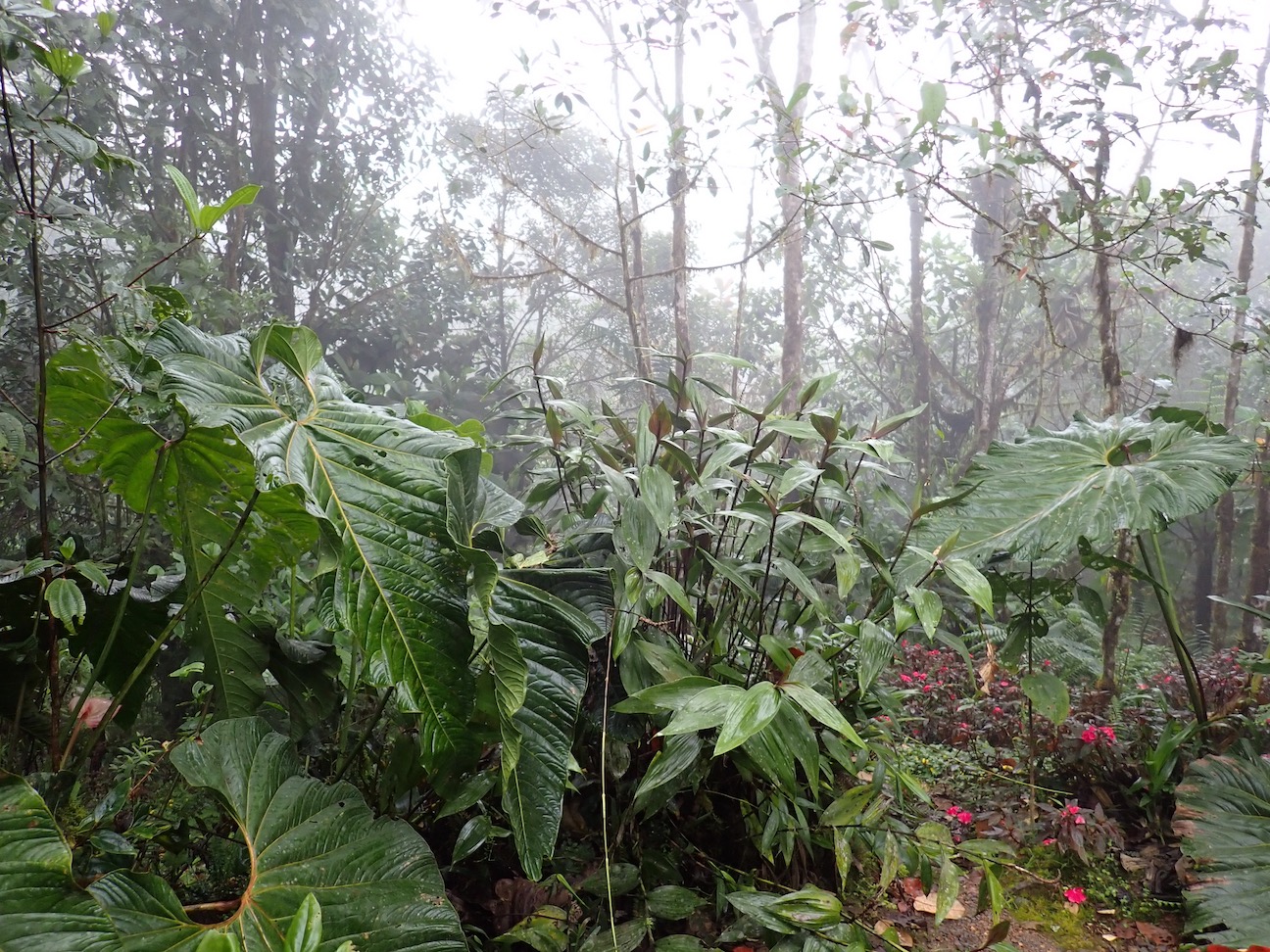
It rains here almost constantly.
Not a passing shower, but a steady presence. This is the reality of Ecuador’s cloud forest during the rainy season, where I am spending nine days accompanying a team of six scientists conducting a biodiversity monitoring expedition on newly protected land.
Although this trip was planned before I became CO-CEO of Rainforest Partnership, it has become a meaningful introduction to joining the leadership team of a conservation organization: hands-on experience in the field, observing the science that underpins land protection.
The purpose of this expedition is straightforward—to document as many species as possible across classifications in a short, concentrated period of time. The data collected here will strengthen the ecological case for expanding protection of this part of the new reserve and surrounding areas.
Our team includes six specialists from Columbia and Ecuador; a herpetologist, a botanist, an entomologist, a field biologist, a naturalist guide, and a Park Ranger. Each discipline contributes a piece of the larger ecological picture.
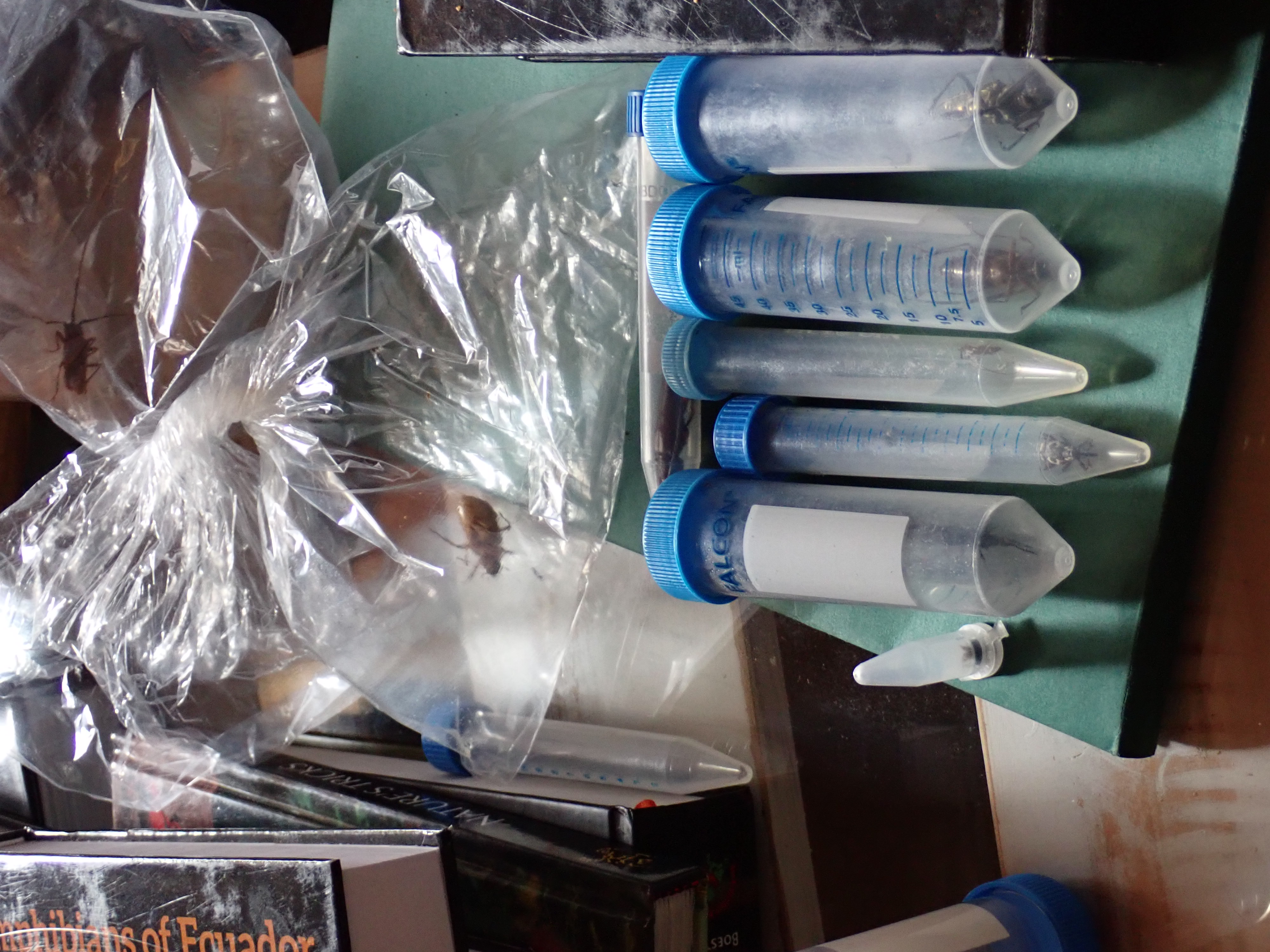
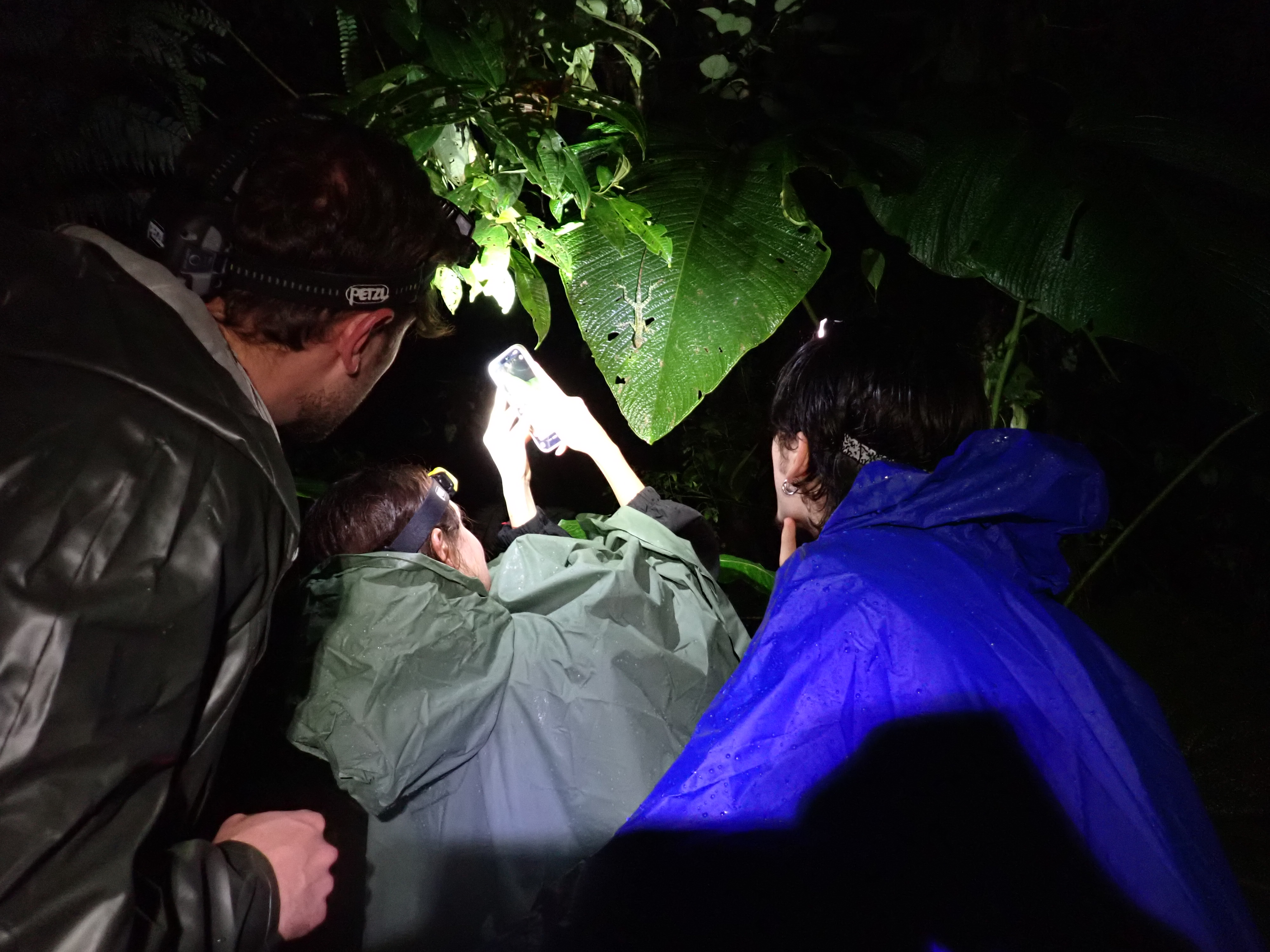
On our first day, we completed a three-hour exploratory hike through (very) steep and muddy mountain terrain, followed by a second three-hour survey after dark. The team documented beetles, spiders, frogs, lizards, native flowering plants, and multiple bird species. Particular attention is being given to indicator and threatened species, including the critically endangered Mindo Harlequin frog and the black-breasted puffleg hummingbird. The botanist is assessing orchids that may represent species not yet formally recorded in this area.
One exciting early finding: a beetle species not previously documented at this site. While further identification work is needed, discoveries like this underscore how much remains unknown—even in areas relatively close to established research communities.
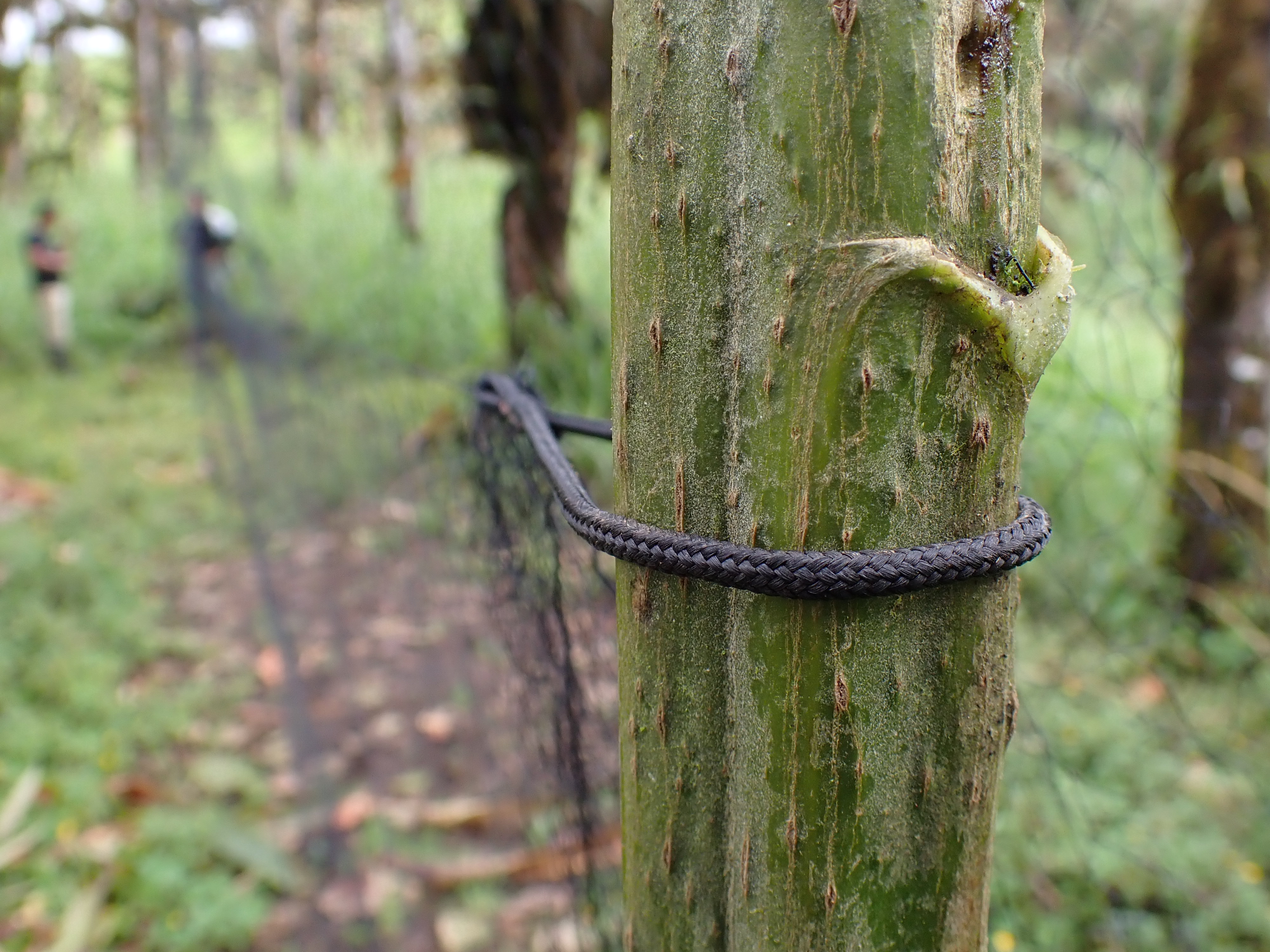
Day two began with the setup of mist nets to monitor bird populations. The process is highly regulated and designed to minimize stress to the birds while allowing scientists to collect essential data on species presence, age, and health. We observed fresh claw marks from Andean bears on a tree trunk—evidence of large mammal activity within the reserve and a sign of an intact ecosystem corridor.
That evening’s amphibian survey required descending approximately 650 feet down a steep, muddy slope to reach the river. Night surveys are critical for frog documentation.
What has struck me most is the rigor of the work. Biodiversity monitoring is methodical, tedious, and data-driven. Every observation contributes to a growing dataset that will help demonstrate the ecological value of this area.
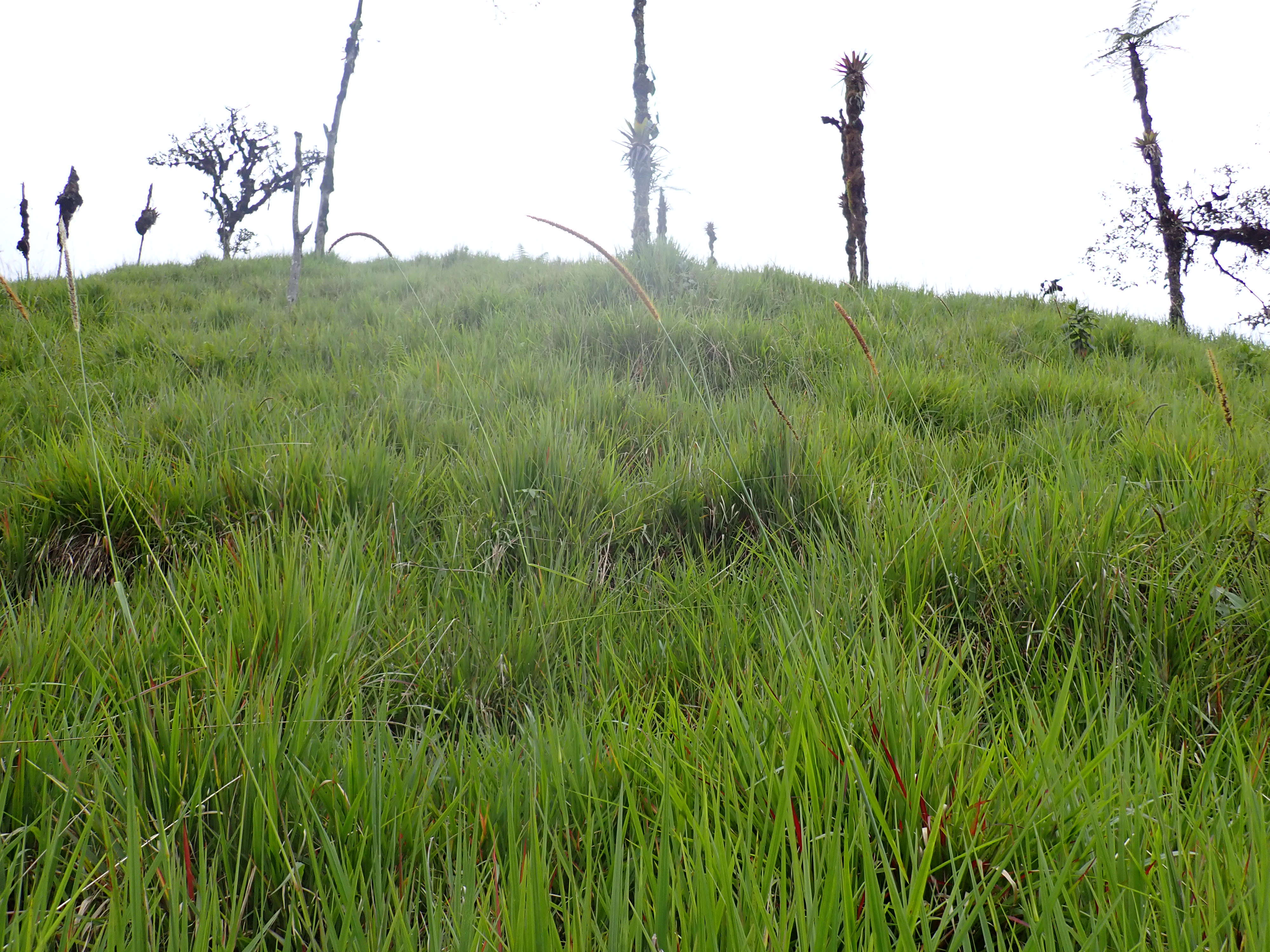
On the newly purchased land,17 acres of former cattle grazing land are slated for reforestation. Standing on that cleared ground, it becomes clear why documentation matters. To secure international support for land acquisition and restoration, conservation organizations must show scientific biodiversity value.
Three days in, I am humbled by both the complexity of this ecosystem and the dedication of those who study it. Conservation begins with understanding.