
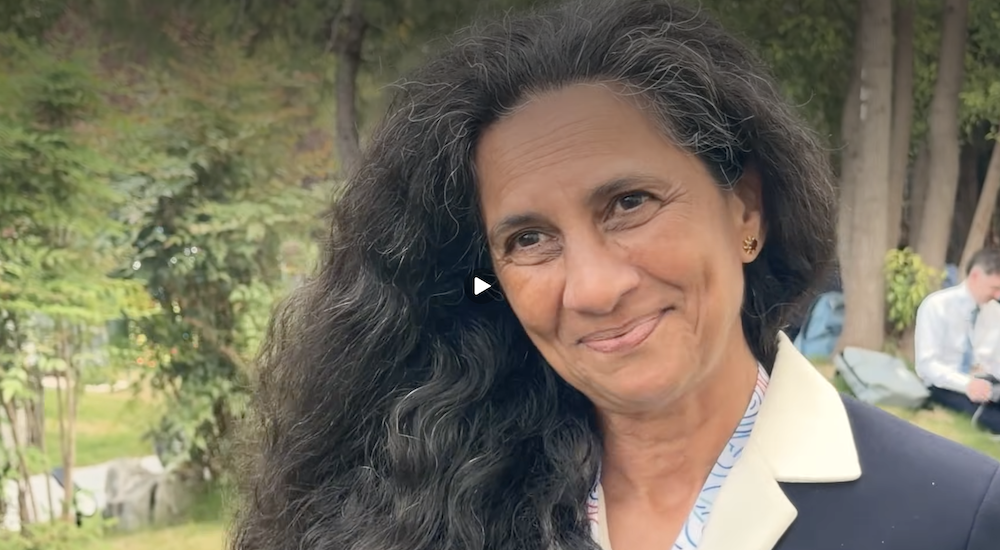
Following their participation in the UN Biodiversity Conference (COP17) in Armenia and the UN Climate Change Conference (COP31) in Türkiye, Rainforest Partnership Board Chair Niyanta Spelman and Senior Advisor Deb Tompkins return with new perspectives, valuable connections and opportunities to inform our work in 2027.
Why being part of the conversation matters
These conferences bring together government representatives, scientists, Indigenous leaders, funding institutions and conservation organizations. For Rainforest Partnership, participation provides an important opportunity to engage directly with decision-makers, understand emerging priorities and identify potential collaborators.
It is also an opportunity to bring the realities of rainforest conservation on the ground into international conversations.
Reasons for cautious optimism
Despite the challenges of reaching international consensus at COP31, there were encouraging developments in the discussions surrounding nature-based solutions, ecosystem restoration and locally led climate adaptation.
The role of Indigenous peoples and local communities as stewards of nature featured in several negotiating texts. Renewed attention and additional financial commitments to the Tropical Forest Forever Facility, launched at COP30 in Belém, Brazil, were also encouraging signs for tropical forest conservation.
Bridging the gap between global commitments and local action
One of the most important questions for Rainforest Partnership remains: How can international conservation funding more effectively reach the communities protecting our forests?
Complex funding structures and institutional requirements often fail to reflect the realities, needs and decision-making processes of Indigenous communities.
At COP31, we explored innovative approaches to addressing these barriers and directing resources more effectively toward local conservation initiatives.
This is particularly relevant to our long-term work with Indigenous communities in Ecuador and our biodiversity conservation initiatives in Peru.
Looking ahead to 2027
We return from these conferences with new relationships, ideas and opportunities for collaboration, including potential participation in additional international conservation networks.
These connections will help inform our strategy, strengthen our partnerships and identify new opportunities to support our programs in the coming year.
For further perspectives from COP31, read the Austin Chronicle's coverage featuring an interview with Rainforest Partnership Board Chair Niyanta Spelman.
Your support makes this work possible
Your donations help Rainforest Partnership bridge the gap between international conservation ambitions and practical, community-led solutions on the ground.
Together, we can help ensure that the people who protect our rainforests have the resources, opportunities and long-term support they need.
Support Our Work: https://www.rainforestpartnership.org/donate
