
When Women Thrive,
Rainforests Thrive
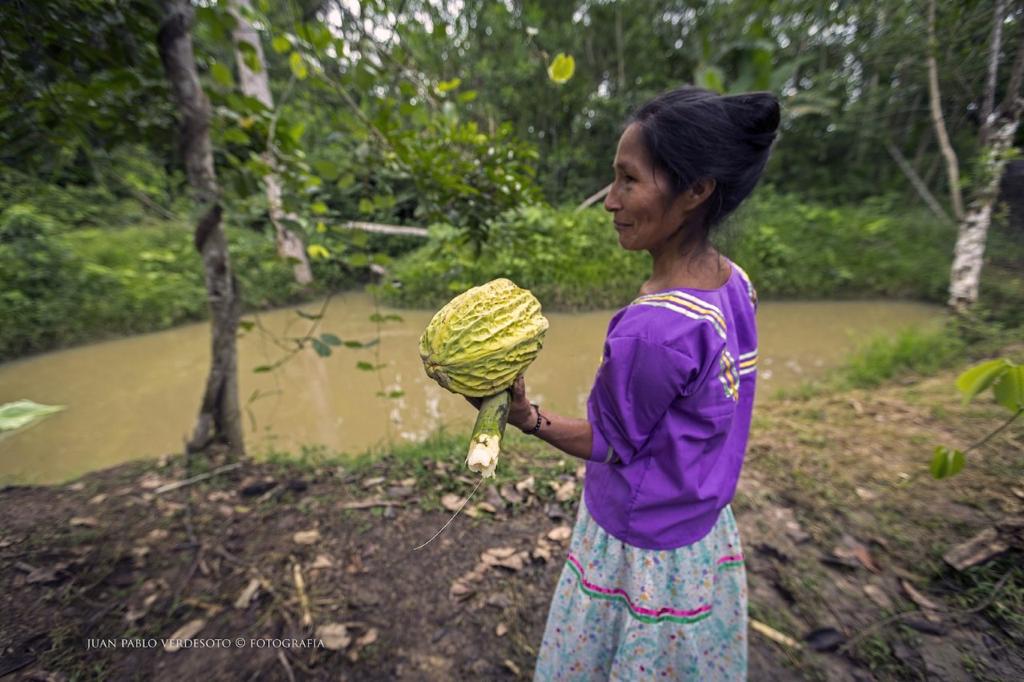
Deep in the Ecuadorian Amazon, along the Napo River, Indigenous women are helping shape a future in which strong communities and healthy rainforests go hand in hand.
Through the Napo River Women's Project, Rainforest Partnership works alongside Amazonian women to strengthen their leadership, support sustainable livelihoods, and create economic opportunities that benefit their families while respecting the rainforest they call home.
One particularly inspiring initiative is a women-led fish-farming project that is helping participating communities improve food security, develop new skills, and explore opportunities for additional income.
On Friday, October 30, Rainforest Partnership invites you to a special live virtual event to meet the people behind this initiative, see a beautiful new short film about their work, and hear directly from our local project manager about the progress being made.
Register for Our Free October 30 Virtual Event
A Partnership,
Rooted in Community
The story of the Napo River Women's Project began long before the first fish ponds were established.
In 2008, women in the Kichwa community of Sani Isla, in Ecuador's Sucumbíos province, formed the Sani Warmi women's organization. Their efforts demonstrated how women could organize, lead community initiatives, and create opportunities for their families while maintaining their cultural traditions and connection to the forest.
Building on this experience, Rainforest Partnership expanded its work with women in other Napo River communities beginning in 2019. Through conversations, community visits, and collaborative planning, women identified priorities and opportunities to strengthen their organizations and develop sustainable economic activities.
These efforts became particularly important during the COVID-19 pandemic, when challenges surrounding food security, income, and access to resources underscored the need for locally driven solutions.
Throughout this journey, one principle has remained central: lasting rainforest conservation depends on the strength, knowledge, and leadership of the people who live there.

Fish Farming:
A Practical Solution with Lasting Potential
For communities living along the Napo River, fish have traditionally been an important source of food and a connection to the surrounding ecosystem.
Yet changing environmental conditions, including concerns about river contamination, have created challenges for families who depend on local waterways. Working together, Indigenous women and Rainforest Partnership developed a fish-farming initiative centered on raising cachama, a freshwater fish native to South America, in community-managed ponds.
The project currently involves five Kichwa communities: Hatun Urku, Munditi Urku, Isla Flor Amazónico, Flor de Pantano, and Sani Isla. These ponds offer opportunities to strengthen local food supplies, generate income through fish sales, and build technical and organizational skills.
But the benefits go beyond fish production.
Women gain practical experience managing collective enterprises, making decisions, sharing knowledge, and developing new possibilities for their families. The project also creates opportunities for younger generations to learn from the women leading these initiatives.
Rather than relying on economic activities that may place additional pressure on surrounding forests, the project supports locally appropriate livelihoods designed to work alongside conservation.

More Than a Project:
A Foundation for the Future
In the Ecuadorian Amazon, Indigenous women have long been guardians of cultural knowledge, family well-being, and community traditions.
They preserve and transmit knowledge of medicinal plants, traditional foods, handicrafts, and the natural environment. Their contributions are essential to community life, yet opportunities to access training, markets, financing, and leadership roles can remain limited.
The Napo River Women's Project seeks to help address these barriers by building on the capabilities and aspirations already present within the communities.
Fish farming is one part of a broader vision: supporting women-led bio-enterprises that can create economic opportunities while protecting the Amazon's extraordinary biological and cultural richness.
Rainforest Partnership's role is to accompany these locally driven initiatives, providing technical support, resources, and long-term collaboration as communities shape their own priorities.

Join Us on October 30:
Hear Their Stories
We are delighted to invite you behind the scenes of this work during a special online gathering.
Friday, October 30, 2026
12:00 PM Central | 1:00 PM Eastern
Live on Zoom | Free Registration
During this event, you'll enjoy:
- A new four-minute film offering a close-up look at the fish-farming initiative and the women involved.
- A live presentation from Senaida, our local project manager, sharing updates, photographs, achievements, and challenges from the communities.
- An opportunity to ask questions and learn more about how the project is developing.
The presentation will include Spanish narration with Zoom translated captions available.
Whether you have supported Rainforest Partnership for years or are discovering our work for the first time, we hope you'll join us.
Save Your Place — Register for the October 30 Event

Together, We Can Help These Initiatives Grow
Protecting tropical rainforests is not only about safeguarding extraordinary biodiversity. It is also about supporting the communities whose knowledge, leadership, and daily lives are deeply connected to these ecosystems.
Every fish pond, every new skill, and every opportunity for women to strengthen their livelihoods contributes to a larger vision of community resilience and rainforest conservation.
By attending our October 30 event, sharing the invitation, or making a contribution, you can help bring greater attention and support to this important work.
We look forward to introducing you to the women helping shape the future of their communities along the Napo River.
We protect tropical rainforests and their biodiversity by partnering with local and Indigenous communities as forest guardians and by fostering deeper connections between people and nature.
